 Reviews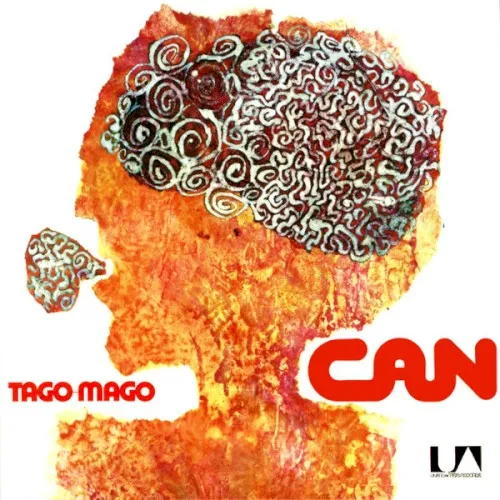
Latest review
Tago Mago
Can
Tago Mago teaches the listener to trust repetition, then uses editing, spatial change, and vocal disruption to make that trust unstable across its two records.
AI-assisted, human-reviewedRead the review
Review archive
Browse sourced arguments without numerical scores, or search by album, artist, genre, or thesis.
Filter by genre
Search or choose a genre across all 32 reviews.
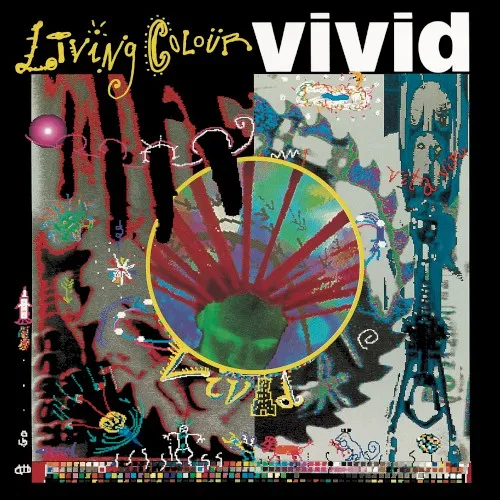 Funk metal
Vivid
Living ColourVivid succeeds not by blending its styles into one smooth genre but by keeping their seams audible, using accessible songs to carry unresolved musical and social tension.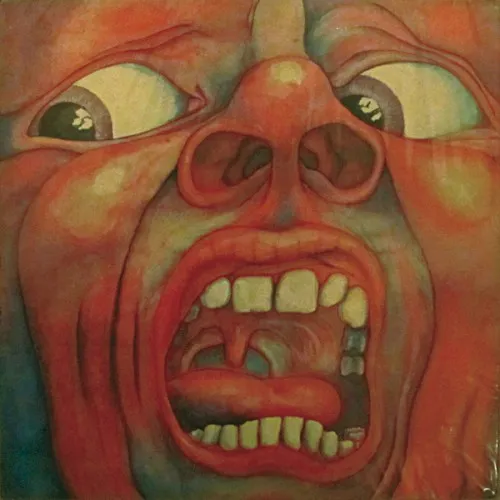 Progressive rock
In the Court of the Crimson King
King CrimsonEach piece on In the Court of the Crimson King changes the apparent size of the band, turning density, distance, and silence into structural events.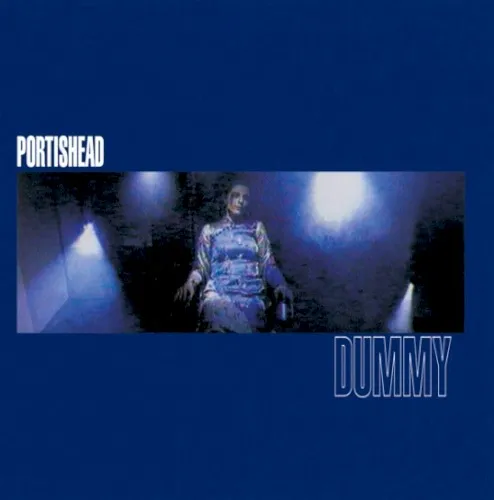 Trip-hop
Dummy
PortisheadDummy makes every familiar element feel compromised: loops show their damage, arrangements resist release, and intimacy never guarantees safety. Blackgaze
Sunbather
DeafheavenSunbather turns intensity into changing distance: blast beats, open chords, and silence move the listener closer to or farther from the life its narrator wants.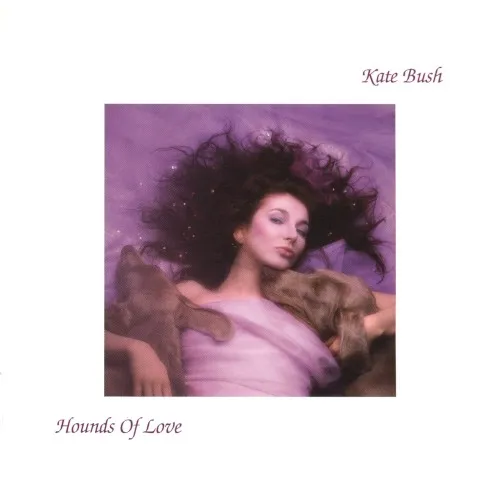 Art rock
Hounds of Love
Kate BushHounds of Love treats production as point of view: rhythm fixes each scene in place while voices, samples, and edits change who can see it.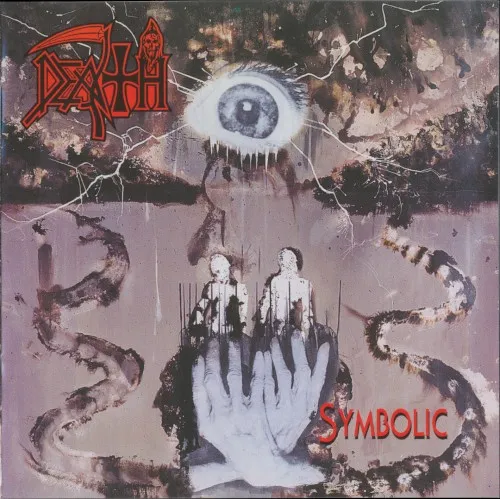 Technical death metal
Symbolic
DeathSymbolic uses precise riffs, accents, and melodic returns to keep aggression changing shape without losing the identity of each part.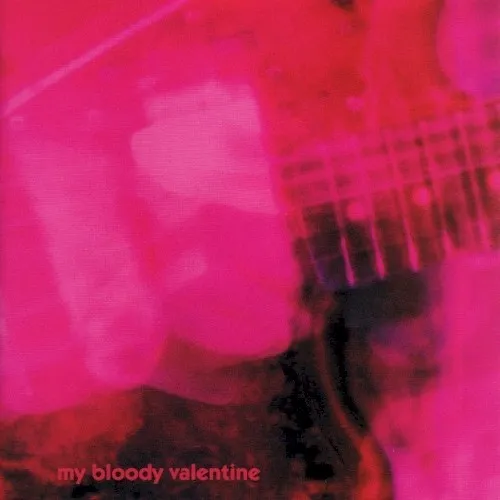 Shoegaze
Loveless
My Bloody ValentineLoveless organizes its blur precisely: pitch keeps moving, voices live inside the chords, and rhythm stops the surface from becoming static.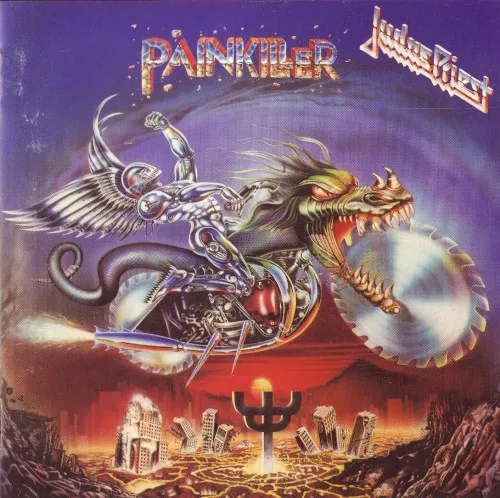 Heavy metal
Painkiller
Judas PriestPainkiller renews Judas Priest without reinvention, pushing the band's established heavy-metal language until tradition sounds newly dangerous.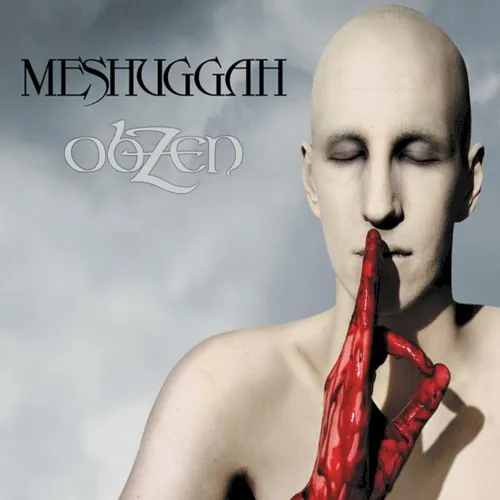 Progressive metal
obZen
MeshuggahobZen keeps an underlying pulse beneath its shifting patterns, making rhythmic disorientation physical as the listener works to recover the beat. Proto-punk
Horses
Patti SmithOn Horses, the band converts Patti Smith's syntax into momentum, interruption, and collective form instead of treating her poetry as a separate lead layer. Alternative rock
Live Through This
HoleLive Through This uses melodic polish to keep beauty and damage entangled, refusing any stable female role or clean resolution of its conflicts.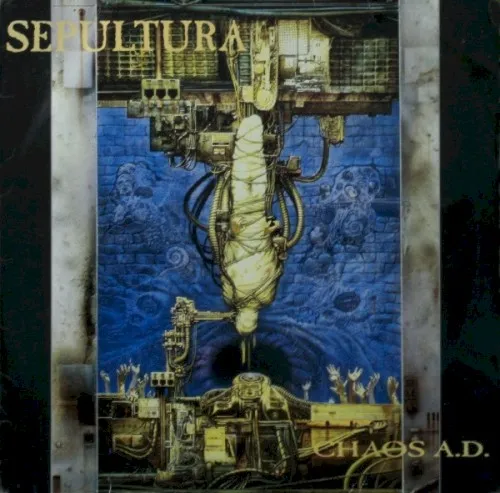 Groove metal
Chaos A.D.
SepulturaChaos A.D. gains force by reducing speed and exposing the beat: its simpler structures turn resistance from lyrical subject into a bodily, collective action.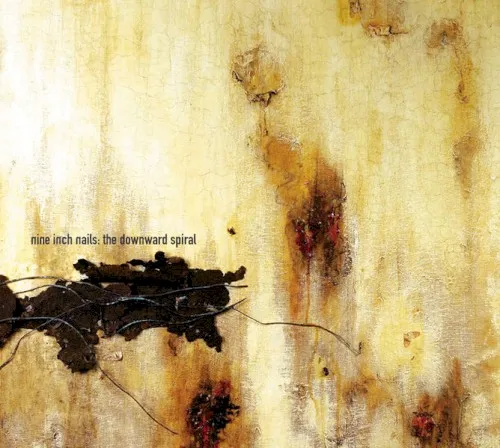 Industrial rock
The Downward Spiral
Nine Inch NailsThe Downward Spiral uses meticulous production to make control itself the mechanism of collapse, rather than simply depicting a man who loses it. Thrash metal
Master of Puppets
MetallicaMaster of Puppets makes control audible through exacting riffs and repeated commands, while its arrangements keep changing who or what appears to be in charge.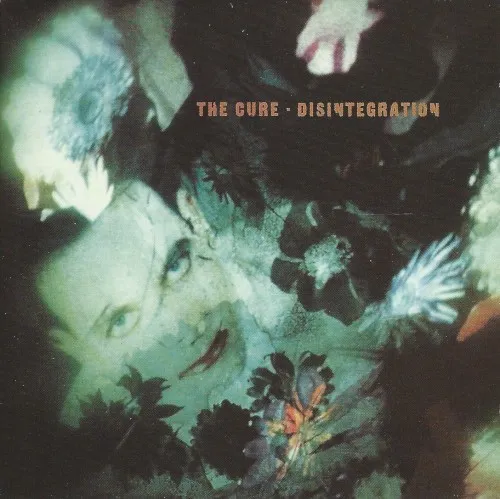 Gothic rock
Disintegration
The CureDisintegration lets musical events linger: long introductions, repeated figures, and slow decays make time itself carry the album's grief.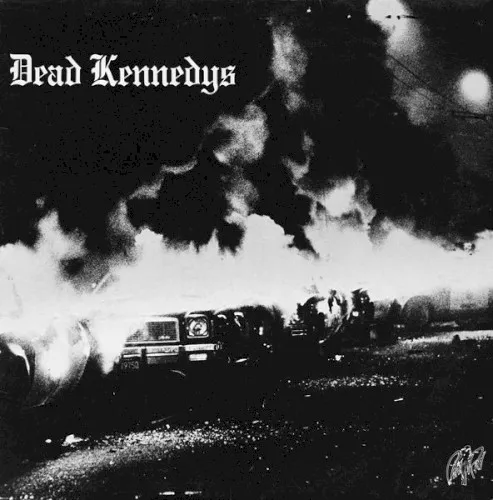 Punk rock
Fresh Fruit for Rotting Vegetables
Dead KennedysFresh Fruit for Rotting Vegetables works because its satire is built into the band's timing: guitar, rhythm, and vocal character reveal authority as a nervous performance. Alternative rock
Rid of Me
PJ HarveyRid of Me uses dynamic range, room sound, and changing vocal roles to make closeness uncomfortable and intimacy feel like contested territory.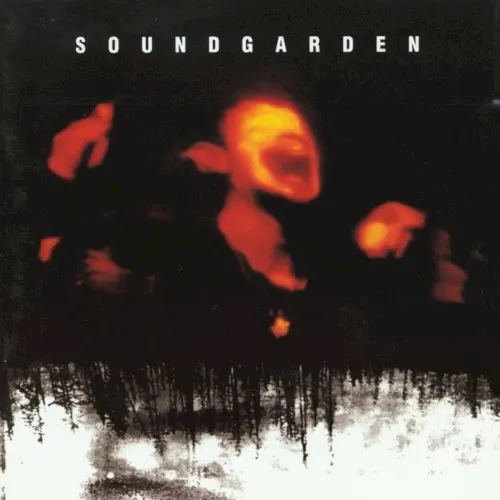 Grunge
Superunknown
SoundgardenSuperunknown expands Soundgarden's heaviness by making it uncertain: tuning, meter, and vocal perspective keep each riff from settling into a single emotional meaning.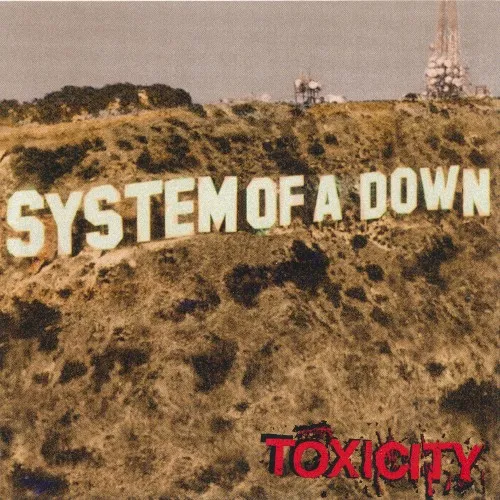 Alternative metal
Toxicity
System of a DownToxicity treats its violent stylistic turns as acts of compression: exact drums, short sections, and divided vocals make crowded songs legible without making them simple.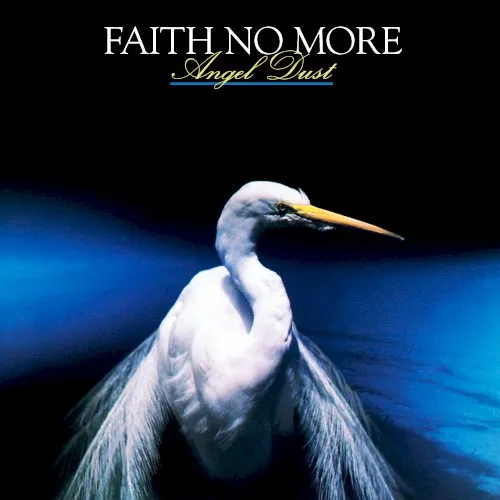 Alternative metal
Angel Dust
Faith No MoreAngel Dust organizes apparent chaos through rhythm and vocal character, making each stylistic rupture feel like another form of control.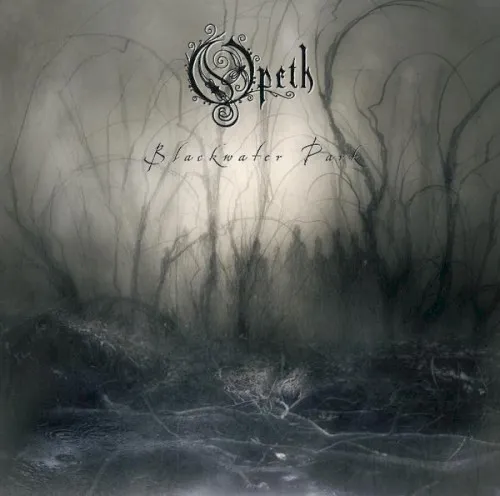 Progressive death metal
Blackwater Park
OpethBlackwater Park treats heaviness as a change in pressure rather than a fixed sound; its quiet passages alter the force and meaning of every return.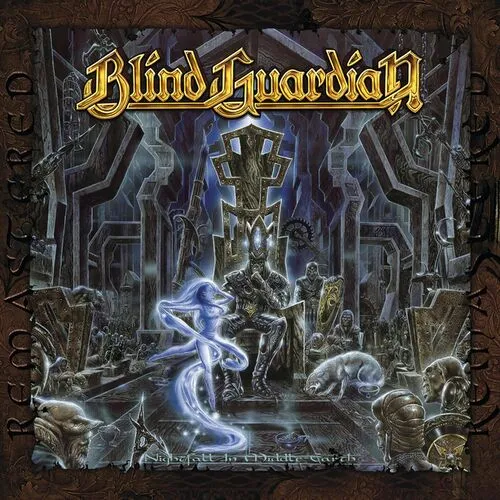 Power metal
Nightfall in Middle-Earth
Blind GuardianNightfall in Middle-Earth succeeds because its speed and massed voices never offer uncomplicated victory; each anthem carries the pride, grief, or blindness that will undo its characters. Hardcore punk
Never Enough
TurnstileNever Enough gives openness a rhythmic function. Its added colors matter when they change pressure, timing, or the memory of an earlier section.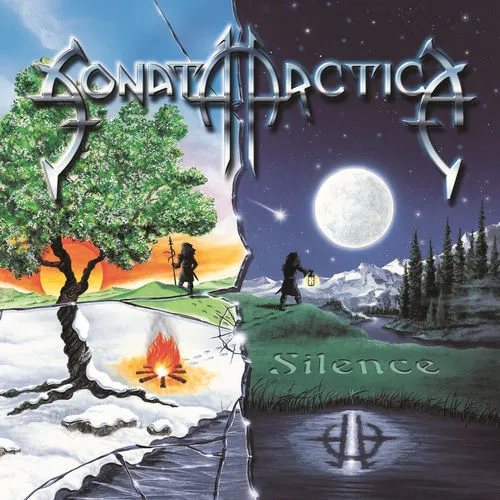 Power metal
Silence
Sonata ArcticaOn Silence, speed often sounds like emotional avoidance; bright melodies expose lonely and unstable narrators, even when the album's abundance weakens its final shape.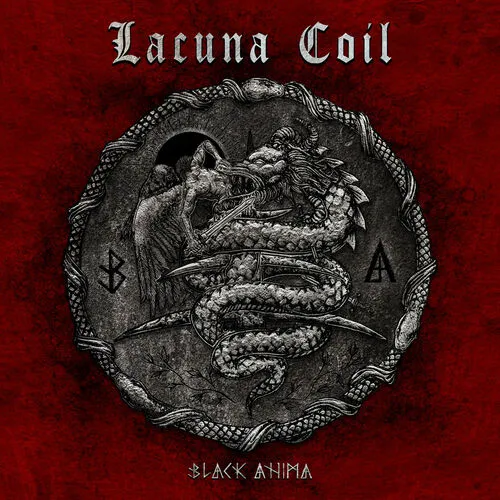 Gothic metal
Black Anima
Lacuna CoilBlack Anima gives grief force by making Cristina Scabbia and Andrea Ferro occupy different emotional positions; it narrows when that contrast settles into a predictable exchange over uniformly heavy riffs. Heavy metal
Master of Reality
Black SabbathMaster of Reality makes weight physical through low tuning and blunt repetition, then leaves Bill Ward and Geezer Butler enough room to move inside the riffs.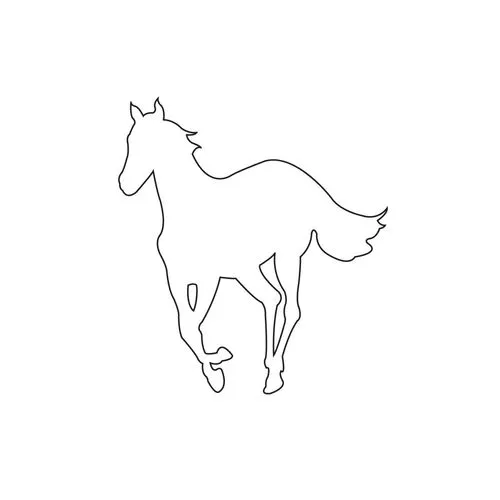 Alternative metal
White Pony
DeftonesWhite Pony expands heaviness by withholding it: clipped riffs, submerged electronics, and intimate vocals make each eruption feel less like release than a breach.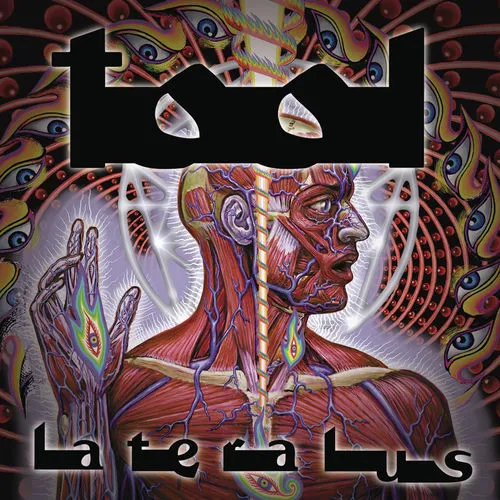 Progressive metal
Lateralus
ToolLateralus uses repetition to change the listener's sense of scale, but its meticulous control becomes a limit whenever ritual replaces movement. Alternative rock
Songs for the Deaf
Queens of the Stone AgeSongs for the Deaf treats its desert drive as a production system: repetition supplies the road, changing voices and drummers alter the vehicle, and fake radio interrupts control.
Review title
Showing 1–30 of 32